
Dr. Ernesto Meneses Morales, SJ
By: Irma Dinorah Meneses Flores
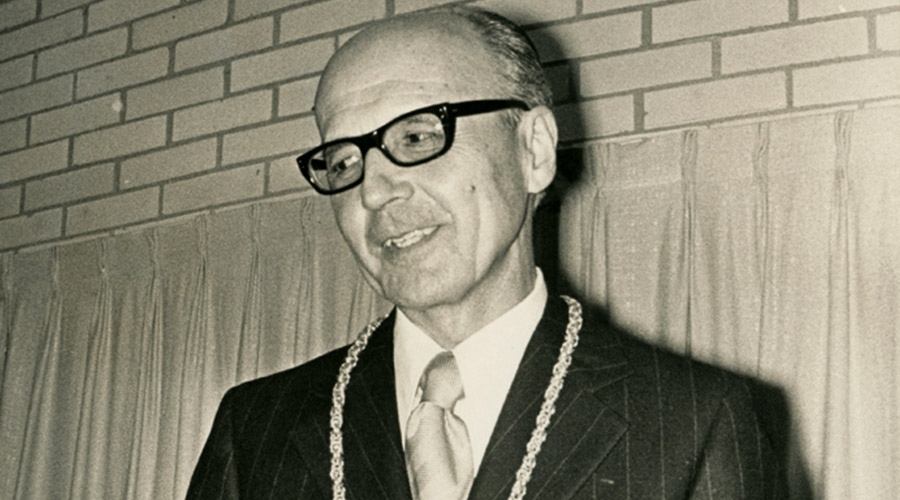
Ernesto Meneses Morales was born in 1915 in Córdoba, Veracruz, and at the age of 14 he decided to become a Jesuit. In 1929 he went to Ysletta College, where he studied for 16 long years, maintaining his firm desire to serve God in that particular vocation.
In July 1943, he entered the Faculty of Theology at St. Louis University, Missouri, and later continued his studies at Fordham University in New York, obtaining a Master's degree in Education. After his ordination, he became a priest and educator.
Later, he traveled to New York to complete his doctorate in psychology and then returned to Mexico to undertake didactic psychoanalysis, which would allow him to be more effective in helping others. He subsequently returned to Mexico and, at the Universidad Iberoamericana, experienced a commitment to "something greater than oneself." For him, university work held the appeal of working directly for humanity, so he focused on preparing scientists and professionals, providing them with the knowledge to pursue a career and instilling in them the appropriate values.
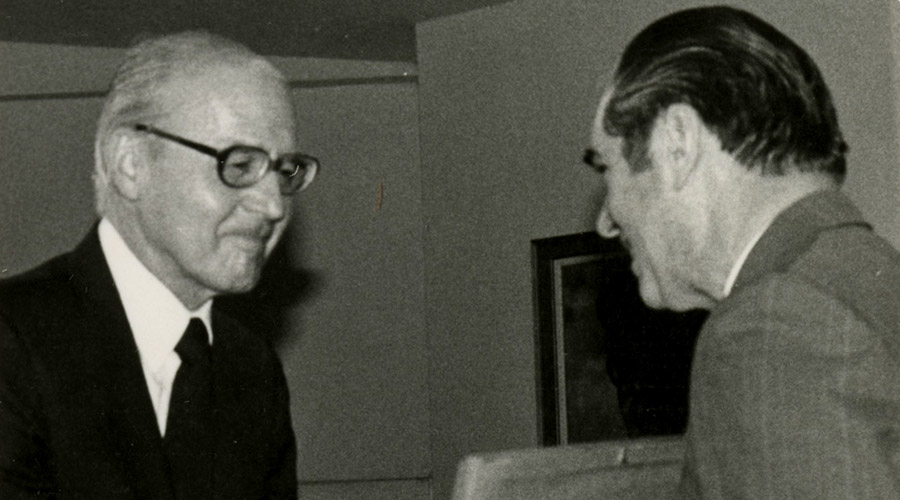
When he became Rector of the Ibero-American University, he secured for the institution the freedom to develop its own curricula and the official recognition of its degrees and diplomas throughout Mexico. His clear ideals were embodied in the basic agreement that declared:
“Teaching, research, and cultural dissemination should all be characterized by a desire to provide the best service in terms of human quality and academic excellence.”
For more than 45 years, Ernesto Meneses was dedicated to educational tasks and at the Ibero-American University he very worthily performed the positions of Rector, Academic Vice-Rector, Director of the Department of Psychology and of the Center for Psychological Guidance and emeritus researcher in education in the Department of Education and Human Development.
He published several works, most notably the five-volume work *Official Educational Trends in Mexico* (Mexico: Center for Educational Studies, 1997), and numerous important articles in specialized journals. He was a member of several scientific societies, both national and international, and from 1988 to 1990 served as an advisor to the Secretary of Public Education.
The Ibero-American University awarded him an Honorary Doctorate in Science in 1981. In 1988, he received an honorable mention in the Andrés Bello Education Prize from the Organization of American States (OAS). The Civil Association for the Promotion of Research and Higher Culture (FICSAC) awarded him the Tlamatini Prize for his contribution to education. The National Association of Universities and Institutions of Higher Education (ANUIES) awarded him the Gold Medal in 1997 for his contribution to higher education.
Through direct contact with research, he discovered this other fascinating aspect of university life: learning about the stages of a project – preparation, incubation, illumination and verification – in which human creativity is admired in all its splendor and the wonderful functioning of human understanding is contemplated, in one of its most sublime processes: “giving life to an idea”.
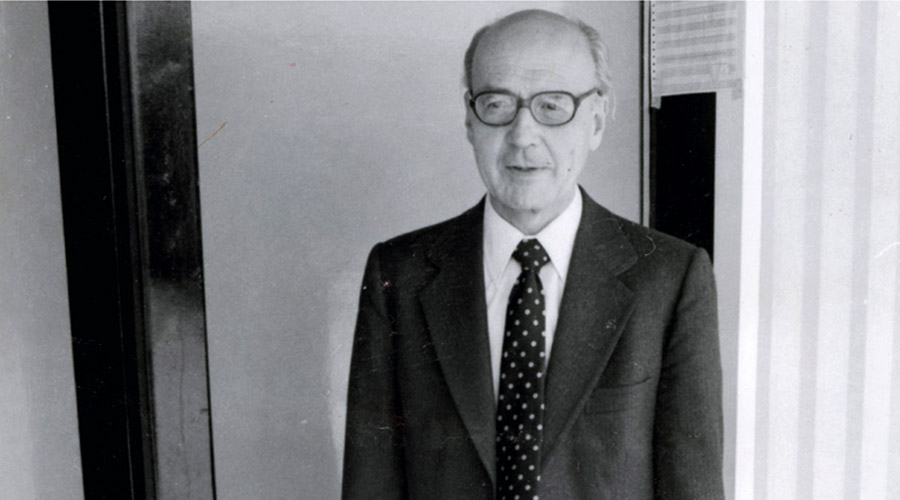
“The university is a true learning community, the house of reason and the meeting point of young and mature men,” Ernesto Meneses commented in one of his speeches.
The moments shared with mothers during conferences on the education of their children led him to publish the book Educating by Understanding the Child, in which he expresses his gratitude for the valuable experience acquired with numerous children and parents at the Psychological Guidance Center.
His hobbies included a love of learning and knowledge, as well as an attraction to psychology, literature, and history; in addition, his interest in the fine arts grew, including architecture, sculpture, painting, and music.
During a visit to Oaxaca, his interest in archaeology was born, and thanks to this trip he published his work The Stelae of the Vanquished in 1998.
Ernesto Meneses was a Jesuit who cultivated love for Christ, a willingness to serve, love for the poor and vulnerable, and dedication to the cause of St. Ignatius of Loyola. “That is why, despite my weaknesses and failings, my lukewarmness and unworthiness, I remain a Jesuit. And I would like to be remembered after my death not so much for my work as a counselor or educator, as an administrator or university professor, but simply as a member of the Society of Jesus.”
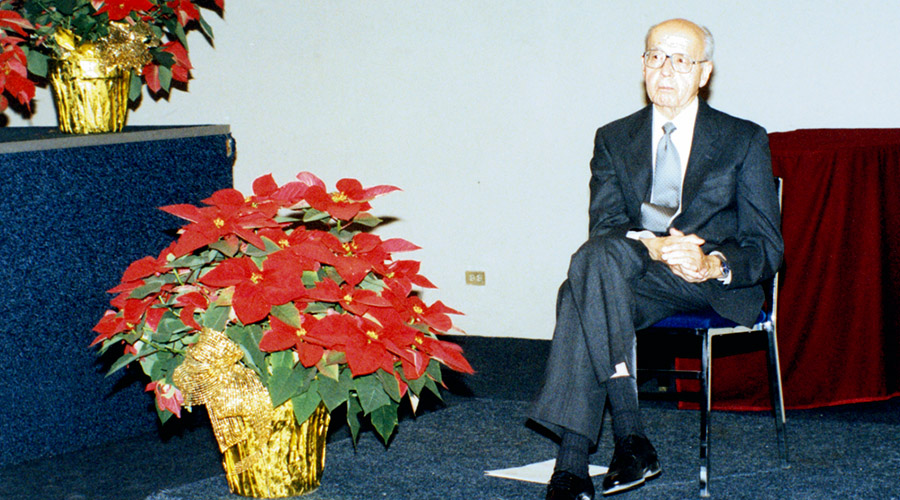
Ernesto Meneses was always jovial, dynamic, and participative; he instilled his vision of being valuable, humane, and dignified in all of us who had, have, and will have the opportunity to follow his example, supporting his work through the Foundation, to continue pursuing the achievement of his ideals.
For all the above reasons, the foundation adopted the name Ibero Meneses Foundation, AC (formerly Ernesto Meneses Morales Foundation, SJ, AC) to pay tribute to this important figure, who stood out as a human being committed to the most disadvantaged.